

In today’s crowded market, selecting the perfect rubber adhesive supplier can become an overwhelming task for Original Equipment Manufacturers (OEM). With a myriad of options available, making an informed choice is vital to achieving cost-efficiency and quality enhancement in manufacturing operations. A rubber adhesive supplier like HEWITT CHEMICAL provides specialized products such as Bonding Antioxidant PW-60, a ketoamine compound aimed at promoting superior metal adhesion during the vulcanization process. This article delves into the benefits of bulk purchases, the importance of minimum order quantity (MOQ), and how long-term supplier partnerships can optimize return on investment.
Table of contents:
Cost-Benefit Analysis of Bulk Rubber Adhesive Glue Purchases for OEM Customers
MOQ Terms and Their Impact on Supply Chain Efficiency in Rubber Bonding Adhesives
Long-Term Supplier Partnerships Optimizing ROI in Rubber Adhesive Procurement
Cost-Benefit Analysis of Bulk Rubber Adhesive Glue Purchases for OEM Customers
Buying bulk rubber adhesive products from a reputable manufacturer can yield considerable cost savings for OEM customers. By negotiating lower wholesale prices, manufacturers can significantly reduce their overall material costs, leading to enhanced profitability. For instance, rubber adhesive manufacturers that offer high-quality products like Bonding Antioxidant PW-60 enable OEMs to achieve reliable metal bonding and strong adhesion in their products. This compound not only aids in the vulcanization process but also offers excellent resistance to thermal oxidation and flexural cracking, making it invaluable in tire production, seals, and gaskets. Therefore, acquiring these adhesives in bulk solidifies the company’s capacity to deliver metal adhesion and durability in rubber products, promoting consistent quality across batches. With the stability provided by bulk purchasing, OEMs can redirect their focus toward innovating and expanding their product lines, assured by the knowledge that their fundamental material needs are both efficient and cost-effective.
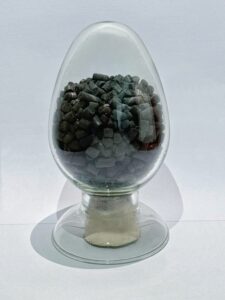
MOQ Terms and Their Impact on Supply Chain Efficiency in Rubber Bonding Adhesives
Minimum Order Quantity (MOQ) plays a pivotal role in shaping the operational efficiency and financial dynamics between rubber adhesive suppliers and OEM manufacturers. A reasonable MOQ can help optimize the supply chain by minimizing inventory costs, reducing waste, and ensuring that manufacturers only receive quantities that align with their production schedules. Rubber adhesive suppliers like HEWITT CHEMICAL offer tailored MOQ terms to balance the scales of volume and need. Products like the Bonding Antioxidant PW-60 demonstrate the importance of effective MOQ agreements. This compound’s role in enhancing the longevity and mechanical resilience of automotive components, such as bushings and dampers, underscores the demand for precisely calculated quantities. An optimized MOQ enables manufacturers to effectively schedule production runs and reduce stockholding costs, fostering more agile and responsive business operations. By aligning MOQ strategies with production goals, manufacturers can achieve streamlined operations, lower costs, and faster turnaround times, thus enhancing overall competitiveness in the marketplace.
Long-Term Supplier Partnerships Optimizing ROI in Rubber Adhesive Procurement
Forging long-term partnerships with reliable rubber adhesive manufacturers can significantly enhance a company’s ROI. A committed partnership allows OEM manufacturers to secure consistent product quality, reliable delivery schedules, and potential cost incentives. Relationships anchored with trusted rubber adhesive suppliers, such as those offering Bonding Antioxidant PW-60, ensure access to high-quality adhesives that bolster the durability and performance of vulcanized rubber products, vital for applications like tires and industrial components. The integrity delivered by products like PW-60 guarantees enhanced metal-to-rubber bonding and substantial resistance to environmental and mechanical wear. Such benefits are crucial when emphasizing durability, especially in high-stress applications like tires that must endure prolonged usage and varied environmental conditions. Regular feedback exchanges and technical support from suppliers can further refine adhesive formulations, driving efficiency improvements. Over time, these partnerships can also lead to exclusive access to new product innovations for OEMs, setting them apart in the competitive industrial landscape while maintaining operational risks at manageable levels.
Choosing the right rubber adhesive supplier can significantly impact manufacturing outcomes and business trajectories. With specialized products like Bonding Antioxidant PW-60 from HEWITT CHEMICAL, manufacturers gain a ketoamine compound that ensures superior metal adhesion and crack resistance in vulcanized rubber. As market dynamics continue to evolve, building lasting relationships with experienced suppliers and considering flexible MOQ terms will keep operations agile and reliable. A prudent partnership with a rubber adhesive manufacturer not only diminishes operational risks but also paves the way for innovation and sustained competitiveness.