

The rubber industry continually seeks ways to enhance product quality and streamline manufacturing processes. At the forefront of this pursuit are cutting-edge peptizer solutions, revolutionizing how rubber compounds are formulated and processed. These innovative additives, provided by leading peptizer manufacturers, play a crucial role in improving the plasticity and workability of rubber materials. As the demand for high-performance rubber products grows across various sectors, from automotive to construction, the significance of advanced peptizers becomes increasingly apparent. Peptizer suppliers are rising to meet this challenge, offering solutions that not only boost efficiency but also contribute to the overall sustainability of rubber production.
Table of contents:
Why Peptizer P-40 is a Game-Changer for Rubber Manufacturers
Exploring the Benefits of Peptizers in Natural and Synthetic Rubber
How Peptizer Technology Improves Rubber Processing Outcomes
Key Advantages of Using Peptizer P-40 in Rubber Compound Formulations
Why Peptizer P-40 is a Game-Changer for Rubber Manufacturers
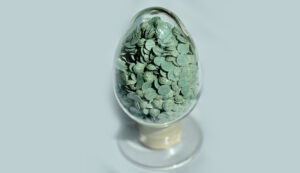
Peptizer P-40 stands out as a revolutionary product in the rubber manufacturing landscape. This advanced peptizer, developed by a renowned peptizer manufacturer, addresses many of the challenges faced by rubber processors. Its unique composition, which includes 2,2′-dibenzamido dipheny disulfide and organic dispersants, enables it to effectively break down molecular chains in rubber compounds. This results in significantly reduced milling time and improved processing performance. Unlike traditional powder peptizers, P-40 offers a cleaner working environment and complies with stringent EU REACH environmental protection requirements. These features make it an invaluable tool for manufacturers seeking to enhance their production efficiency while adhering to global sustainability standards.
Exploring the Benefits of Peptizers in Natural and Synthetic Rubber
The versatility of modern peptizers, such as those offered by leading peptizer suppliers, extends to both natural and synthetic rubber applications. In natural rubber processing, peptizers facilitate the breakdown of long polymer chains, improving the material’s plasticity and reducing the energy required for mastication. For synthetic rubbers, these additives enhance the incorporation of other ingredients and improve the overall homogeneity of the compound. The use of advanced peptizers like P-40 allows manufacturers to achieve optimal processing temperatures, typically between 120-150°C, resulting in more consistent and higher-quality rubber products. This adaptability makes peptizers indispensable in a wide range of rubber applications, from tire manufacturing to industrial rubber goods production.
How Peptizer Technology Improves Rubber Processing Outcomes
The technology behind modern peptizers represents a significant leap forward in rubber processing. Peptizer manufacturers have developed products that not only improve the physical properties of rubber compounds but also contribute to more efficient and cost-effective production processes. By promoting molecular chain breaking, peptizers like P-40 enable faster and more uniform mixing of rubber compounds. This leads to reduced processing times, lower energy consumption, and improved dispersion of other additives. Furthermore, the free-flowing nature of advanced peptizers makes them suitable for automated weighing systems, enhancing precision in formulation and reducing waste. As peptizer suppliers continue to innovate, the rubber industry benefits from compounds that are easier to process, more consistent in quality, and better suited to meet the demanding specifications of modern applications.
Key Advantages of Using Peptizer P-40 in Rubber Compound Formulations
The adoption of Peptizer P-40 in rubber compound formulations offers several key advantages that set it apart in the market. Firstly, its enhanced plasticizing efficiency allows for better control over the rubber’s viscosity, leading to improved flow characteristics during processing. This is particularly beneficial in complex molding operations or extrusion processes. Secondly, the product’s compatibility with both natural and synthetic rubbers makes it a versatile choice for manufacturers working with diverse rubber types. Peptizer suppliers highlight the product’s ability to maintain its effectiveness at various processing temperatures, ensuring consistent performance across different production scenarios. Additionally, the environmentally compliant nature of P-40 aligns with the growing industry focus on sustainable manufacturing practices, making it an attractive option for companies looking to reduce their environmental footprint without compromising on product quality.
The evolution of peptizer technology marks a significant milestone in rubber manufacturing. As peptizer manufacturers continue to refine their products, the industry witnesses improvements in processing efficiency, product quality, and environmental sustainability. The adoption of advanced peptizers like P-40 enables rubber manufacturers to meet the increasingly stringent demands of modern applications while optimizing their production processes. By leveraging these innovative solutions, companies can achieve better control over rubber properties, reduce production costs, and enhance the overall performance of their products. As the rubber industry moves forward, the collaboration between manufacturers and peptizer suppliers will undoubtedly play a crucial role in shaping the future of rubber technology, driving innovation and meeting the challenges of a rapidly evolving market.